Deployed with Tier-1
Mobile Operators
Mobile Operators


Unified Analyzer combines drive tests, crowdsourced data, scanners, MDT, and topology into a single shared data model and workspace. Correlate KPIs, failures and sessions in location context, drill into Layer 3/PCAP, and align actions across teams.
Built for mobile operators and benchmarking providers, Unified Analyzer replaces fragmented tools and manual ETL, moving scattered data silos and inefficient processes into one unified cloud workflow.
COOPTELCO is an AI-first telecom software company specialising in RAN automation, network analytics and geospatial intelligence.
Founded in 2018 by RAN engineers inside a UK mobile operator, COOPTELCO was born out of first-hand frustration with fragmented GIS tools, manual ETL processes and single-user desktop software.
We built the platform we wished we had: a cloud-based shared workspace with a unified data layer, automation and AI for root-cause analysis. That platform is Unified Analyzer.
Unified Analyzer is a web-based RAN analytics platform that consolidates drive tests, crowdsourced data, scanners, MDT and topology into one shared workspace.
On top of the unified data layer, automation and AI help teams flag RF anomalies, explain failures and move from network-wide views to individual sessions. The result is faster prioritisation, clearer root-cause narratives and shorter optimisation cycles.
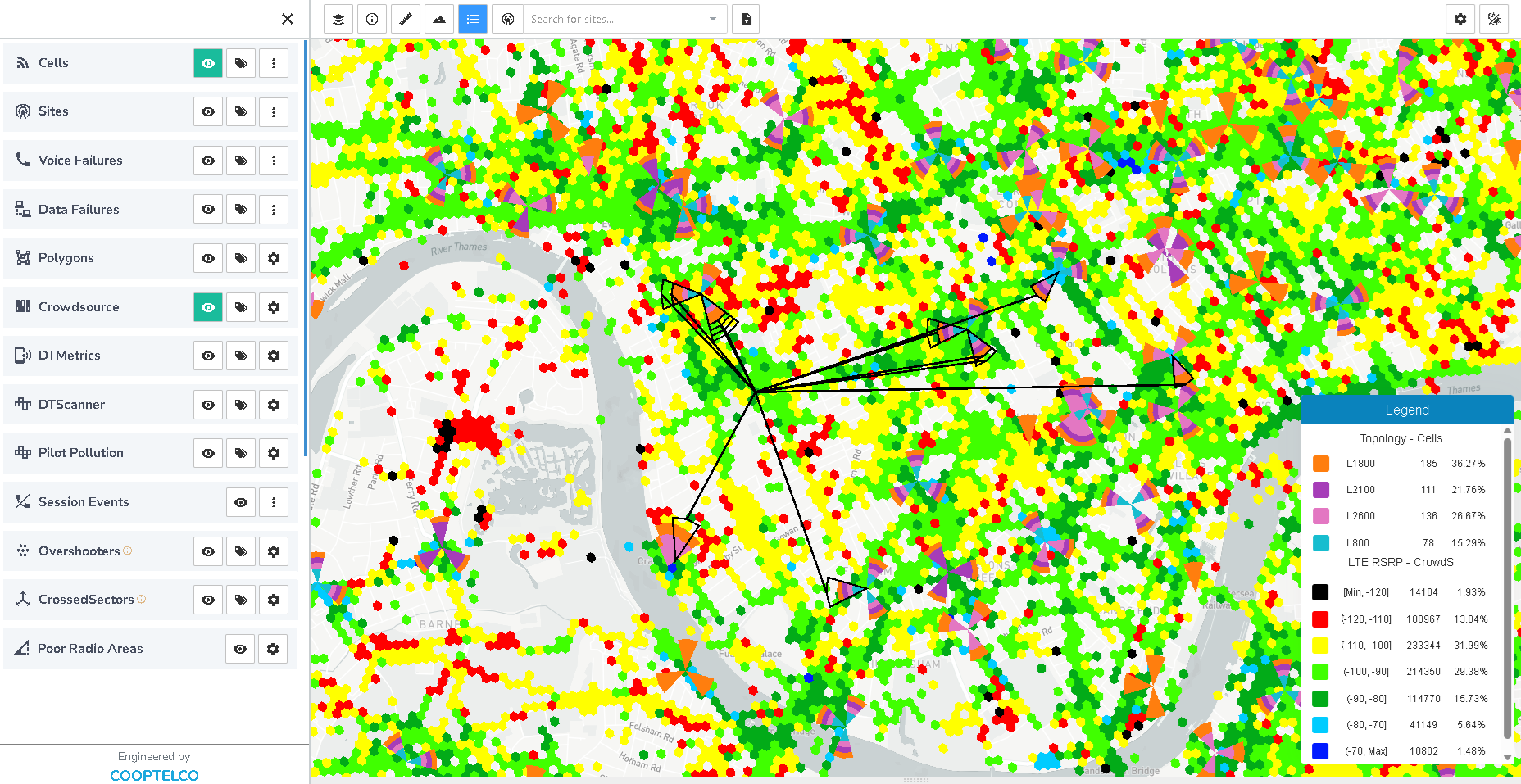
Three common starting points with customers. Each one reduces manual work, improves insight quality and accelerates decisions.
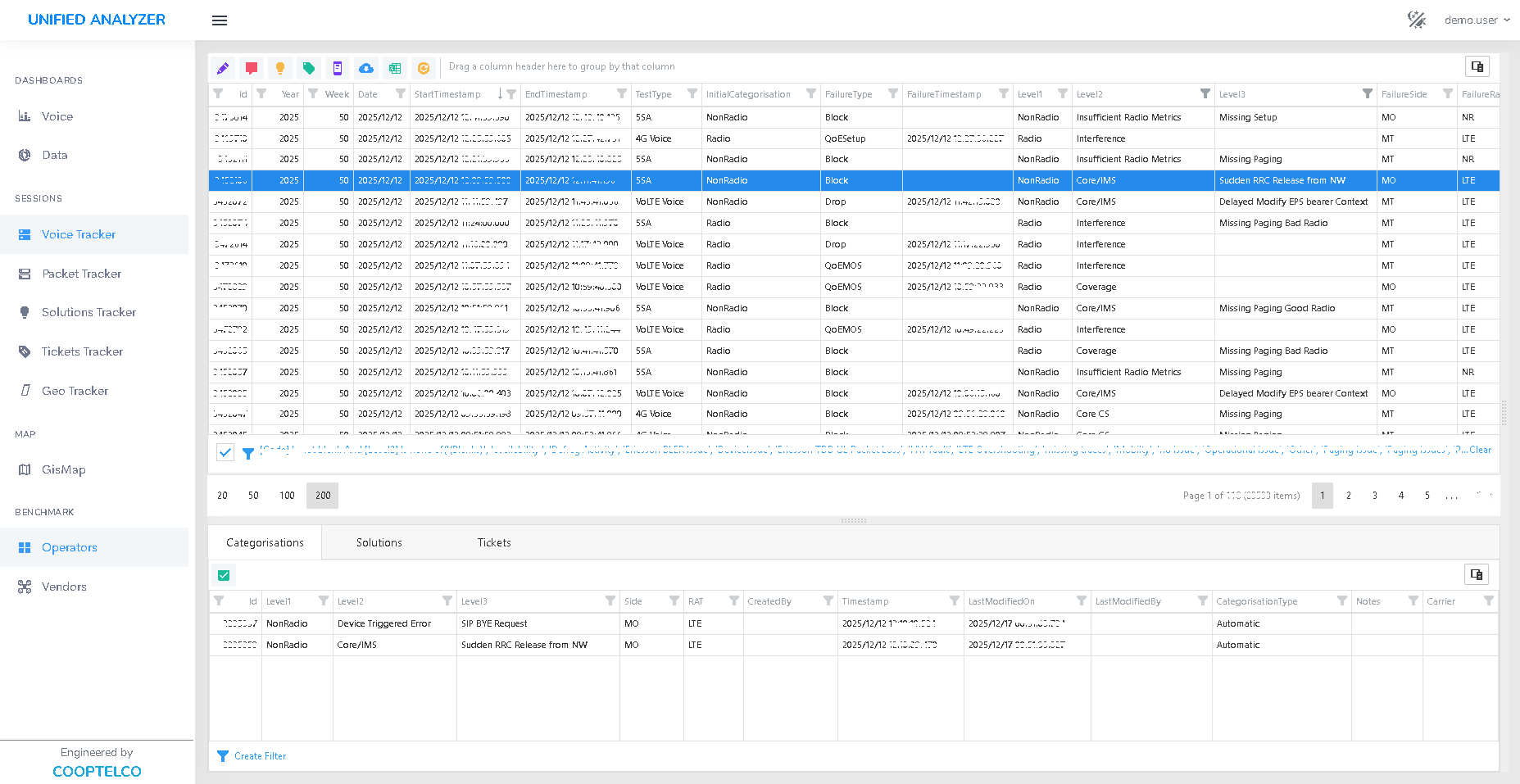
Replace manual ETL, FTP transfers and single-user tools with a fully automated, cloud-based testing workflow.
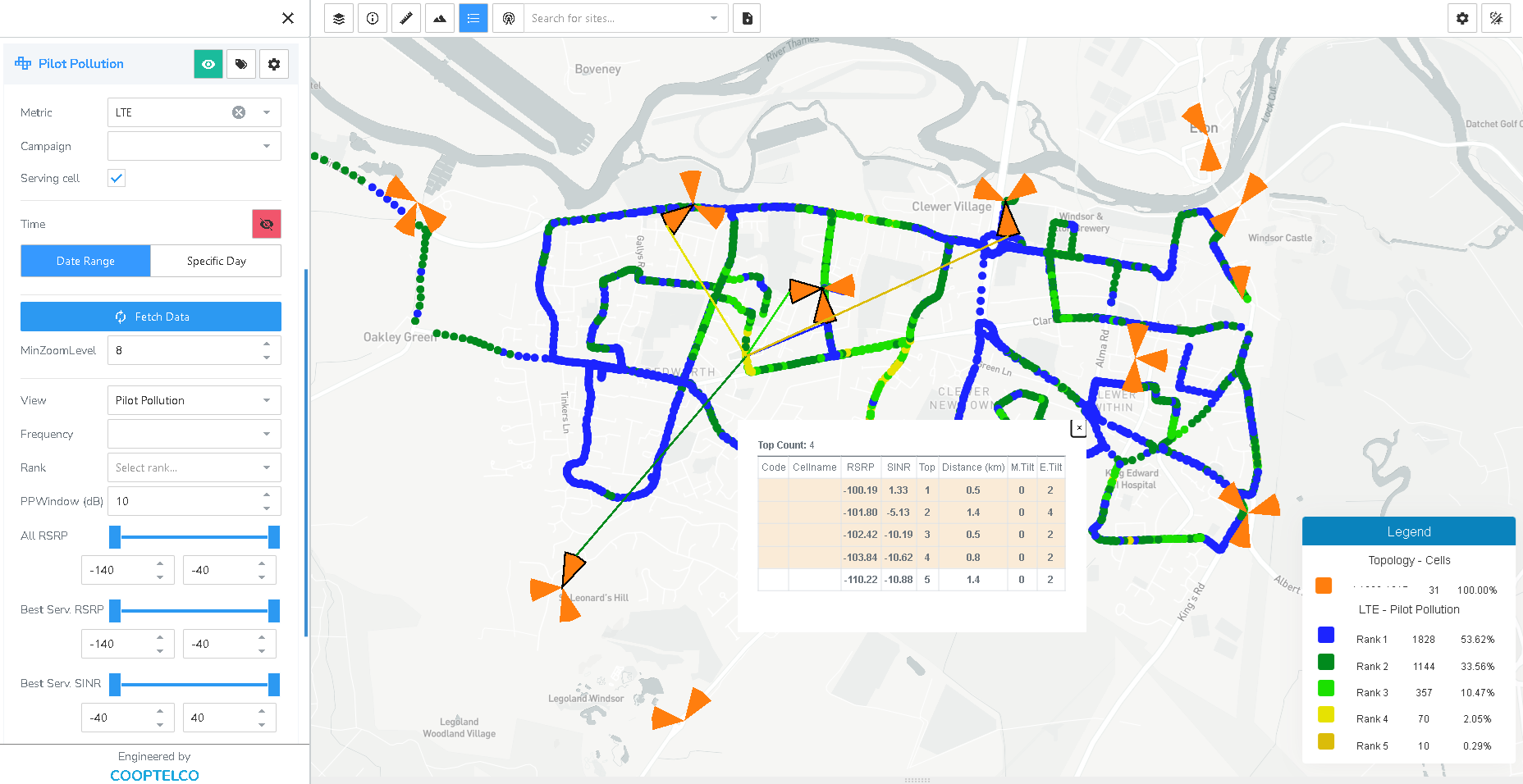
Bring RF, Layer 3, UE & E2E Network PCAP, topology and testing data together instead of stitching datasets by hand.
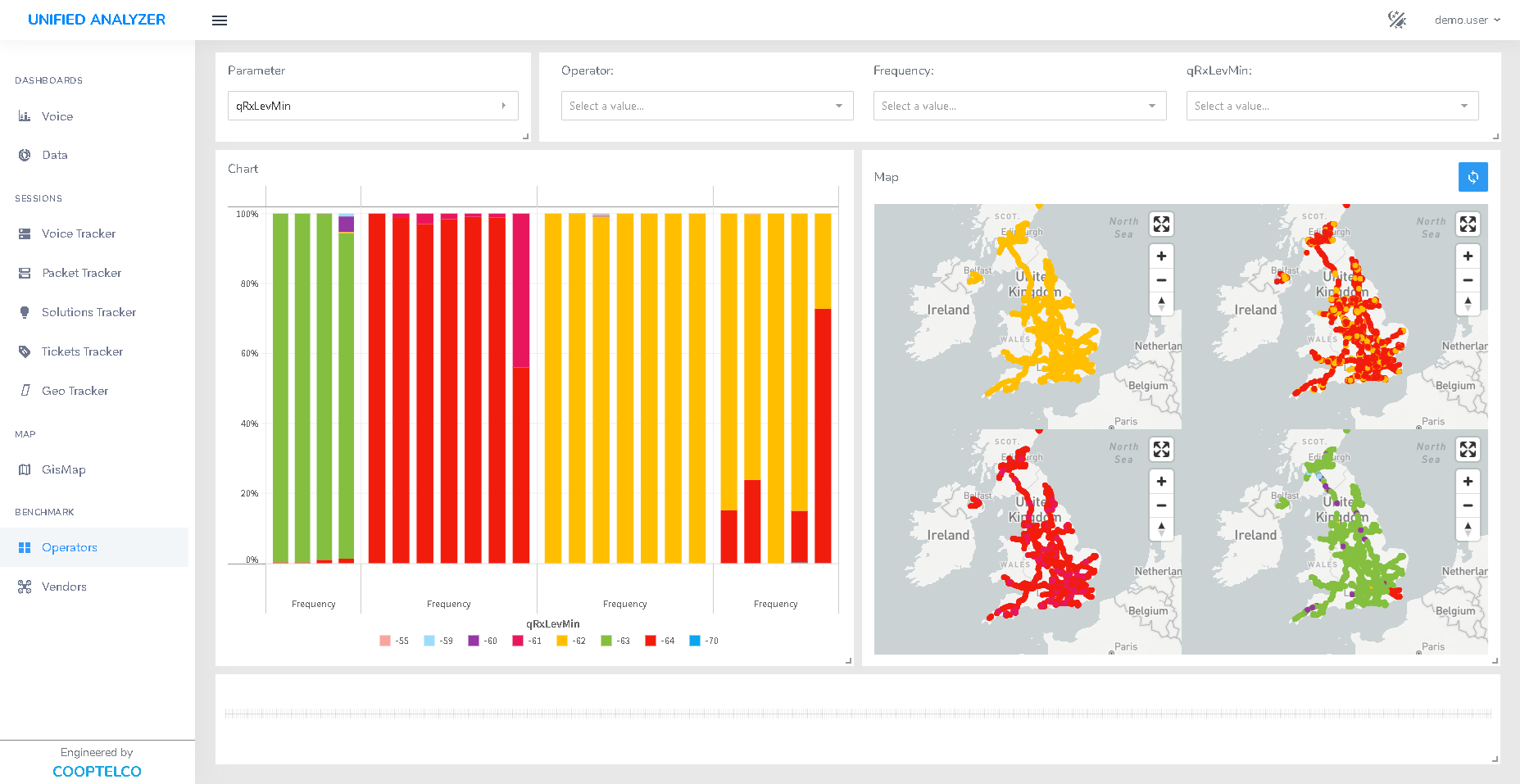
Benchmark competitor networks side-by-side with your own using the same data model and GIS context.
When you need more than a platform, COOPTELCO engineers work directly with your teams to deliver measurable improvements.

We use Unified Analyzer to identify coverage gaps, interference, overshooters and crossed feeders, then validate optimisation actions on the map so teams can move faster with confidence.

We manage the testing data flow from ingestion and automated ETL to RCA and optimisation proposals so your teams act in dashboards and workflows, not spreadsheets.
Tell us your data sources and the questions you're trying to answer. We will respond with practical next steps: a demo, a pilot scope, or an engineer-to-engineer session.